
26 Nov When AI Can Sense Your Stress: The Promise and Risks of Emotion-Aware Technology
Why emotion-aware AI could transform human well-being, leadership, and daily decision-making—if we use it wisely.
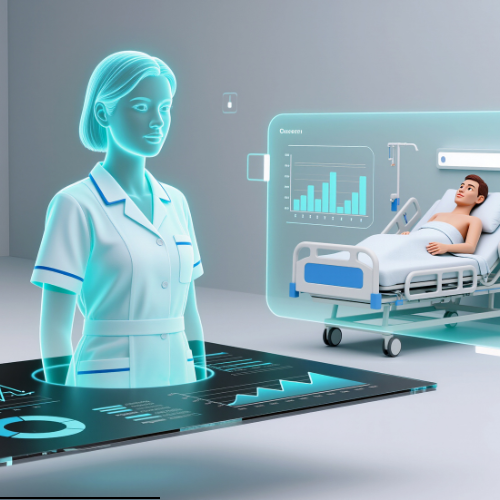 We hear a lot about AI “hallucinations” these days. But the conversation we’re not having enough is this: What happens when AI starts recognizing our emotions before we even speak?
I recently took a close look at the work Synheart is doing, and it’s important. They’re developing AI that can interpret emotional states from biosignals like heart rate, and respond differently when someone may be in distress. Not just listing helplines, but shifting into a safety-first, empathetic mode by design.
From a human development perspective, here’s what stands out to me:
1. Early emotional signals matter.
Humans still outperform AI when it comes to sensing emotional distress—we’ve lived it, felt it, and learned from it all our lives. But physiological signals can act as early indicators of stress, fatigue, or emotional overload.
Used wisely, they can trigger timely nudges like:
“Take a quick reset,”
“Hold off on driving,” or
“Reach out to someone you trust.”
2. Context and consent are non-negotiable.
This is where I’m cautious. Biosignals are deeply personal. Emotion-aware AI must remain opt-in, transparent, and ideally on-device. People deserve to know what is being measured, how it’s interpreted, and how to turn it off.
3. AI should augment—not replace—human care.
I remain skeptical of AI replacing humans in emotional support. Tools like Synheart can flag when something might be off, and offer supportive options. But they should ultimately guide people toward real human connection or professional help—not act like a therapist or savior.
4. The opportunity goes far beyond crisis.
This is where the potential excites me. Emotional insights could help leaders and professionals:
a) Time deep work for peak focus
b) Avoid tough conversations when emotionally flooded
c) Schedule important meetings when they’re balanced and receptive
This isn’t science fiction. It’s emerging capability.
My takeaway: I don’t believe AI will have emotions—at least not in the next decade. But we can build emotionally intelligent systems that respect our humanity, protect our safety, and support our growth.
The real question is this: How do we ensure emotional AI is used to empower and protect—never to manipulate or monitor?
#EmotionalAI #AIInnovation #AIEthics #HumanDevelopment #FutureOfWork #LeadershipDevelopment #MentalHealthTech #WearableTech #HRTech #AIFuture #TechTrends #AIandHumanity #HumanCenteredAI